For an MC licence in WA, the practical-assessment requirement is specific: you must complete and pass a practical driving assessment conducted by an approved registered training organisation. That requirement belongs to the MC licensing pathway. It is not simply a reason to choose a truck school by name, price or location, and completing training does not replace it.
If you are comparing MC licence training RTO options, separate three questions: whether you meet the licence eligibility requirements, what learning and unit assessment your course includes, and who will conduct your licensing assessment. Understanding those distinctions gives your booking discussion a clear purpose and helps you organise the stages without mistaking one outcome for another.
Start With the MC Class You Are Applying For
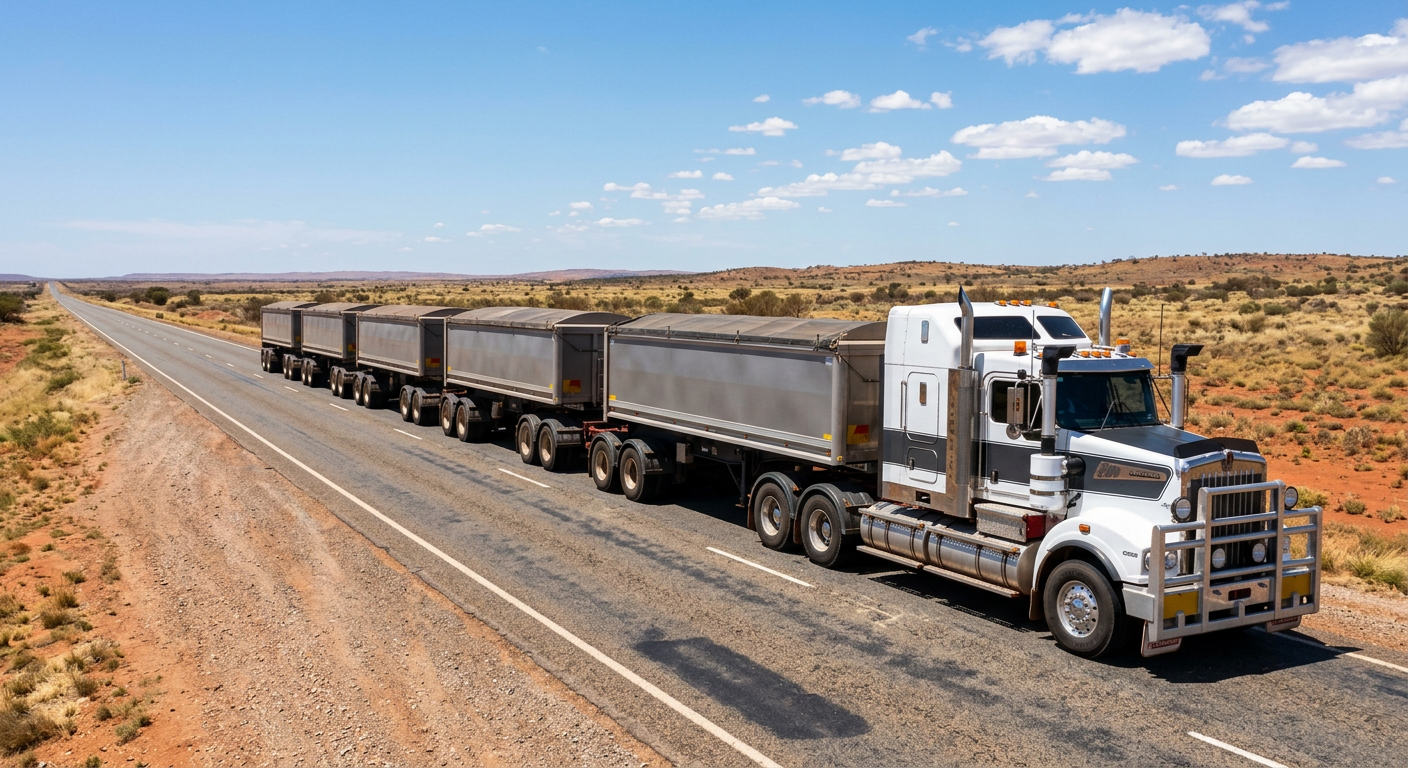
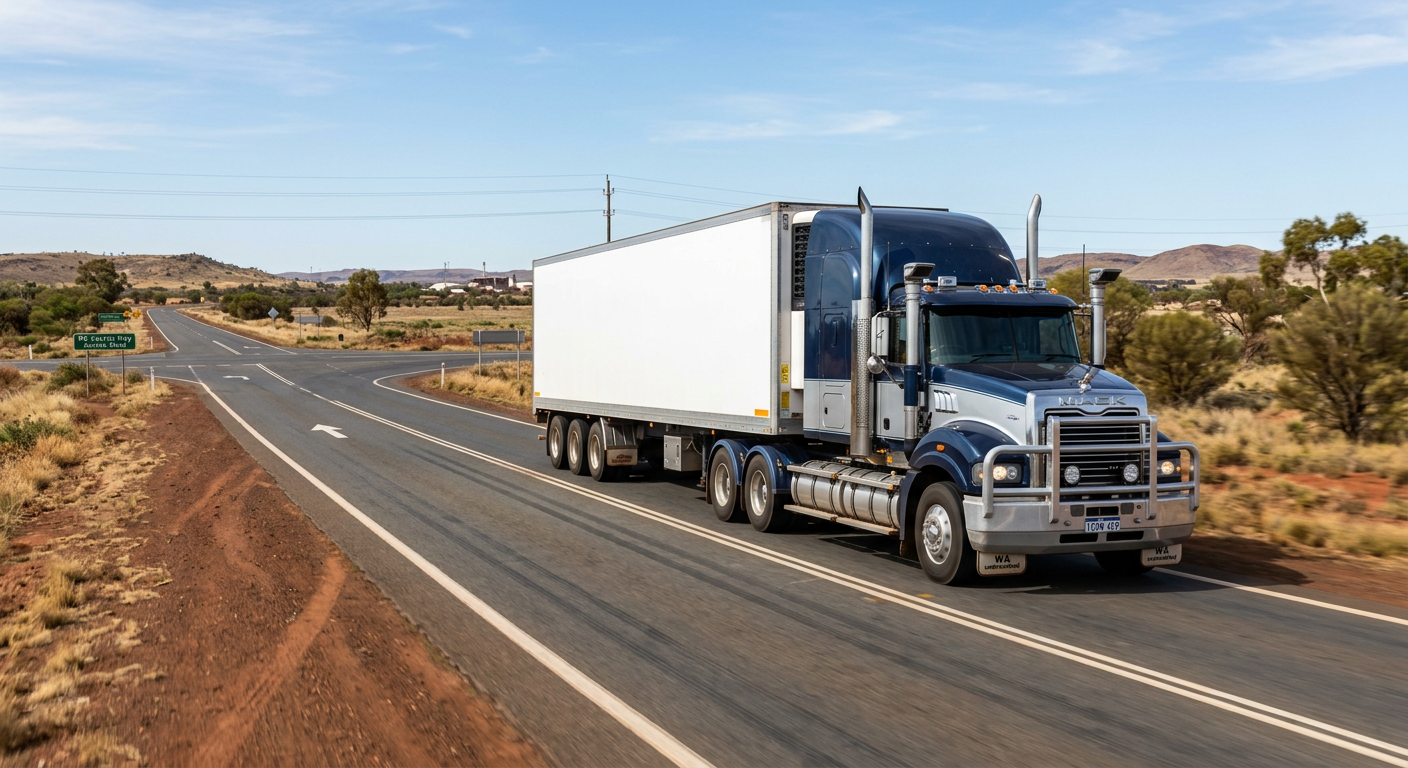
An MC licence covers a heavy combination unit towing two or more trailers, each having a gross vehicle mass greater than 9,000 kg. Start with that definition when describing the combination you intend to drive. A general description such as “a larger truck” does not explain the trailer arrangement or identify the licence class you are discussing.
The distinction matters because HR, HC and MC refer to different vehicle classes. Keep the intended licence outcome at the centre of your enquiry, even if you already have substantial driving experience. Write down your existing class and the combination you want to progress to, so the conversation concerns an MC upgrade rather than heavy vehicle training in general.
Why the Practical Assessment Requires an Approved RTO
Transport WA presents the MC process in three broad stages: learn to drive, submit an application form in person, then book and pass the Practical Driving Assessment (PDA). The assessment is a licensing milestone, not another name for attending lessons. Build your preparation around the work leading to that milestone, while leaving room for the administrative steps that accompany it.
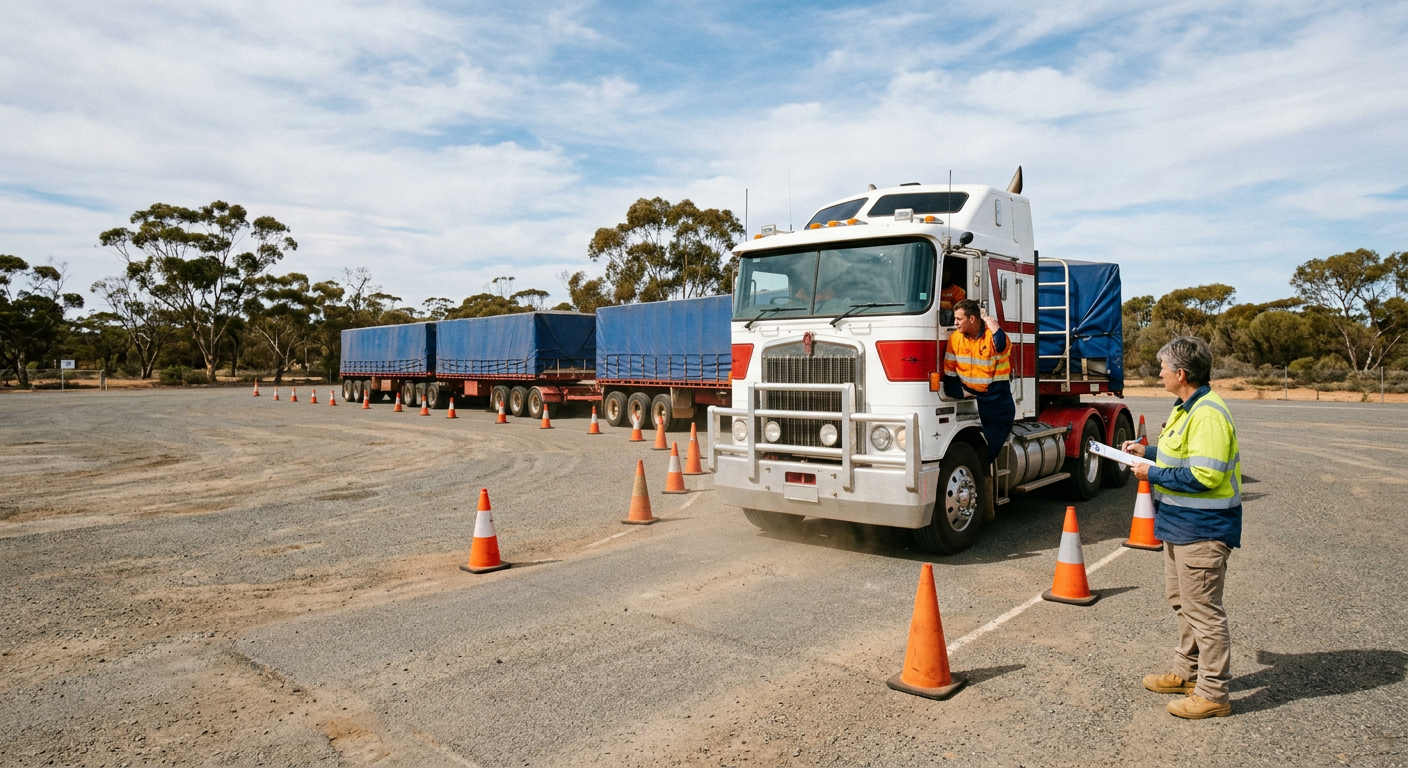
The assessment arrangements differ between licence classes. HR and HC applicants can undertake their training and PDA with a Department of Transport and Major Infrastructure (DTMI) driving assessor or an approved RTO. MC class driver assessments can only be completed through an approved RTO. An assessment option available for an earlier heavy vehicle upgrade therefore should not be assumed to apply to MC.
Registration and approval answer different questions. An RTO number identifies the training organisation; it does not, by itself, establish DTMI approval to conduct an MC PDA. The important distinction is between being a registered training organisation and being approved for the licensing assessment you need. Keep those descriptions separate when comparing organisations or reading a course advertisement.
Transport WA’s assessment guidance explains the approved-RTO requirement and provides access to its approved training provider search. Use that route when establishing assessment approval. A course name or registration number can help identify the organisation, but neither should be treated as a substitute for the approval relevant to your MC assessment.
Establish Your Experience Requirements Before Booking
For an MC upgrade, you must have held a C class licence for at least three years and an HR or HC licence for at least one year. Transport WA’s MC licence guidance sets out those experience requirements. Holding an MR licence is not the HR or HC experience specified for this upgrade.
Use the actual holding dates when planning your course, especially if you are approaching an anniversary. A note saying “about a year” is less useful than the date on your licence history. Being comfortable driving your existing vehicle does not shorten the published holding periods, so base your timing on the qualifying classes and dates.
The RTO must verify your eligibility for heavy vehicle training and/or a PDA through the Licence Assessment Provider System (LAPS). This process requires you to complete and sign the Heavy Vehicle PDA Customer Eligibility form, Form E114, and pass a commercial vehicle eyesight test. Treat the eligibility paperwork as part of the assessment pathway, not an optional addition to your practical preparation.
Keep the Training Unit and Licensing Assessment Separate
Our MC training at Blue Horse Truck Driver Training covers TLIC4006 Drive multi-combination vehicle. The unit code gives your course enquiry a precise reference, while the MC class identifies the licence outcome you are pursuing. For example, a question about completing the online theory concerns the training unit; a question about who conducts the PDA concerns the licensing assessment.
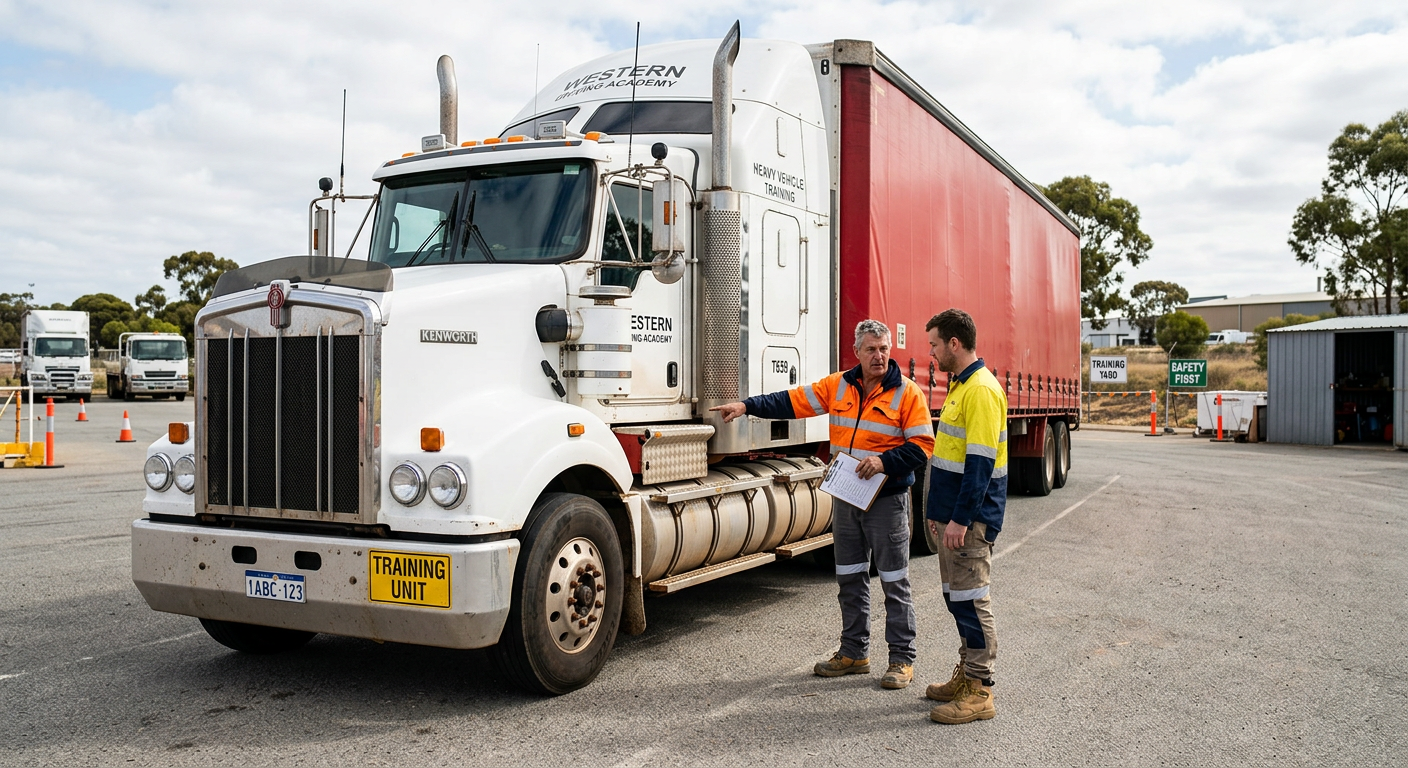
Our MC course includes online theory and practical assessments towards a Statement of Attainment for TLIC4006. After successful unit completion and issuance of that statement, our course pathway provides for the PDA conducted by our DoT-approved assessors. These are separate stages: the unit outcome records successful completion of the training unit, while the PDA serves the licence upgrade process. A Statement of Attainment should therefore not be read as an MC licence or as evidence that the PDA has already been passed.
The TLIC4006 unit covers more than moving a combination along the road. It includes systematic vehicle control, coupling and uncoupling dollies, monitoring traffic and road conditions, managing vehicle performance and handling hazardous situations. Pre-operational inspections, reversing with accurate positioning and checking that coupled equipment is secure also form part of its performance criteria. Use these concrete tasks to frame learning questions during preparation.
Coupling involves both the connection sequence and the checks afterwards. The unit requires the prime mover, dollies and trailer to be aligned and coupled in the proper sequence, then the coupled vehicle to be checked and tested for security and operation. Its traffic-monitoring requirements also extend beyond noticing other vehicles: they include anticipating traffic flows, road standards and factors that could cause delays or route deviations. These are useful areas to discuss if your previous driving experience has involved a different vehicle arrangement.
What Happens Before and During the PDA
Eligibility includes more than the licence holding periods. Transport WA states that training and assessment will not proceed if you fail the eyesight test, do not declare commercial standard medical eligibility, do not declare an alcohol interlock condition or restriction, or do not complete the relevant training module. For MC training, the listed module is TLIC4006. Raise relevant eligibility matters before attendance so they are addressed at the appropriate stage.
On the day of the PDA, the RTO will confirm your eligibility again. If you are ineligible, the assessment will be cancelled; an expired driver’s licence is one example given by Transport WA. An earlier eligibility discussion does not remove this assessment-day requirement. Include licence validity in your preparation alongside the practical skills you have been working on.
Approved RTOs must use in-cabin video, audio recording and GPS surveillance when conducting heavy vehicle PDAs. You must sign the camera acknowledgement on Form E114 to acknowledge the in-cabin recording. This makes recording part of the formal assessment arrangements, not an optional feature of a particular lesson. Read the acknowledgement with the same care as the other eligibility declarations.
You can request to view your recorded PDA by contacting the RTO. If something about the assessment needs clarification, identify the particular event or instruction you want to understand. A specific point gives that discussion a useful focus, whether your concern relates to a manoeuvre, an instruction or your understanding of what happened during the assessment. Transport WA directs concerns or questions remaining after reviewing the footage to its Heavy SAA team.
Passing the PDA Is Not the Final Administrative Step
Once the PDA is completed, DTMI will be advised of the result. After passing, you must visit a DTMI service centre or regional agent to have your licence endorsed. Passing the assessment does not by itself authorise you to drive under the new heavy vehicle class; that endorsement step must be completed before you rely on the upgrade. Allow for this visit when planning when you can begin driving under the new class.
For that visit, Transport WA requires a photocopy of the completed Form E114 signed by the RTO, together with proof of identity documents. Keep the signed form accessible instead of filing it away as finished course paperwork. It has a further purpose after the assessment and belongs with the documents you are preparing for the endorsement visit.
Make Your MC Assessment Enquiry Specific
Our student information brings together the student handbook, fees and refund information, and complaints and appeals resources. Read the material relevant to your intended booking alongside the MC course information. The handbook is a starting point for understanding student responsibilities; the fees and refund material is relevant to financial questions, while the complaints and appeals resources provide a route for raising a concern.
A useful MC assessment enquiry names the unresolved stage. For example: “I understand that the MC PDA must be conducted through an approved RTO. How does my proposed booking separate TLIC4006 completion from the licensing assessment?” That is more informative than asking only whether a course is “approved”, because it identifies both the training outcome and the assessment arrangement you need explained.
To establish who will conduct your MC PDA and where it fits within your proposed booking, contact us for an explanation of the assessment arrangements.
Leave A Comment